

Description
EXECUTIVE SUMMARY
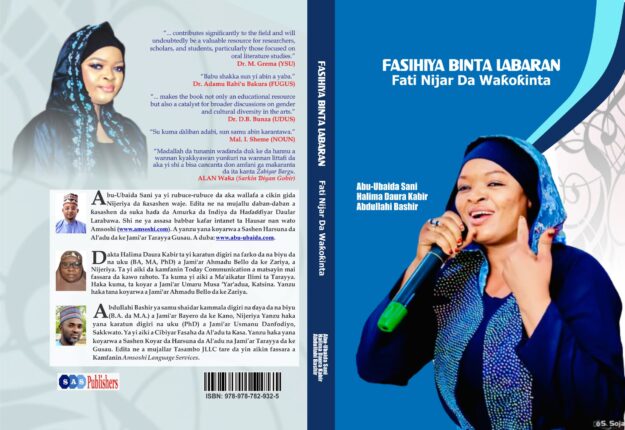
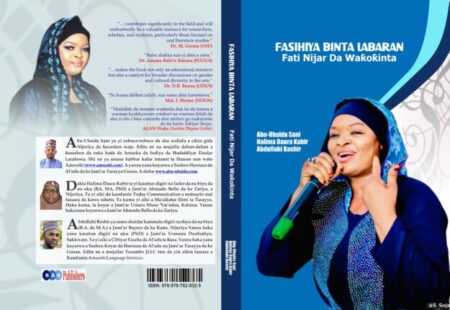
This anthology unfolds the captivating narrative of Hajiya Binta Labaran, known by her stage name, Fati Niger. The book is meticulously organized into ten compelling chapters. Chapter One serves as the foundational exploration, delving into the early years of Binta Labaran’s life, from her moment of birth through the transformative teenage period and into her pursuit of Islamic education.
In this chapter, the narrative skillfully weaves through the tapestry of her formative years, providing an intimate portrayal of the artist’s upbringing. From the tender moments of her birth to the critical juncture of adolescence, readers gain insights into the influences that shaped her character and ambitions. A noteworthy aspect of Chapter One is its dedicated effort to unravel the familial ties, offering a glimpse into the lives of her parents and grandparents. This elucidation not only enriches the reader’s understanding of Fati’s background but also underscores the profound impact of her cultural and familial milieu on her artistic journey.
Chapter Two delves into the pivotal phase of Fati Niger’s life, focusing on the myriad struggles, challenges, and triumphs she faced in the realm of Hausa music. This chapter methodically highlights her initial forays into the Hausa musical industry, shedding light on her early works and the genesis of her musical journey.
In the early stages of this chapter, readers are introduced to her inaugural compositions in Hausa music, marking the beginning of an illustrious career. The narrative vividly captures the essence of her initial struggles, painting a picture of the perseverance and dedication that defined her early career. This exploration not only showcases her artistic development but also sets a backdrop against which her future successes are magnified.
Further, the chapter delves into the intricate process behind Fati Niger’s song preparation, offering a behind-the-scenes look at her creative process. This insightful section provides a deeper understanding of her artistic methodology, from conceptualization to the final execution of her music. It highlights the meticulous attention to detail, cultural sensitivity, and creative ingenuity that Fati Niger brings to her craft.
Additionally, the chapter presents an evaluation of her standing and influence among her peers in the music industry. It explores her interactions with fellow musicians, her influence in shaping the genre, and the respect she garners within the musical community. This section not only underscores her status as a pivotal figure in Hausa music but also illustrates the impact of her work on the industry and her contributions to the cultural tapestry.
3 through 10 serve as a captivating compilation of transcribed songs by the prolific artist, Hajiya Binta Labaran, AKA Fati Niger. Each chapter commences with a thoughtful introduction, designed to seamlessly guide readers into the thematic essence of the upcoming collection, offering a curated journey through the diverse realms of her musical prowess.
Chapter 3 opens the lyrical anthology, presenting a collection of Religious Songs. The introductory passages provide readers with context, setting the stage for a spiritual exploration of Fati Niger’s musical expressions, capturing the essence of her devotion and reverence in the realm of Islamic religious themes.
Chapter 4 unveils Enlightenment Songs, ushering readers into a world of intellectual stimulation and thought-provoking narratives. The introduction to this chapter prepares the audience for a musical experience that goes beyond entertainment, delving into the artist’s insightful perspectives on societal and philosophical matters.
Love takes center stage in Chapter 5, where readers are introduced to the realm of Love Songs. The introduction artfully prepares the audience for a melodic journey through the Fatis’s expressions of love, heartache, and the myriad emotions woven into the tapestry of romantic narratives.
Chapter 6 shifts the focus to the political landscape, with Political Songs that reflect Fati Niger’s engagement with contemporary issues. The introduction sets the tone for a collection that not only entertains but also serves as a mirror to societal and political realities.
Leisure Songs come to life in Chapter 7, offering a refreshing interlude with Binta Labaran’s musical renditions that celebrate moments of joy and leisure. The introductory passages invite readers to indulge in the lighter side of her artistic repertoire.
Chapter 8 introduces Featured Songs, showcasing collaborations and featured performances that highlight Fati Niger’s versatility and ability to harmonize with other artists. The introduction illuminates the collaborative spirit that permeates this chapter, offering a unique perspective on her artistic collaborations.
Songs dedicated to individual persons unfold in Chapter 9, providing a personalized and intimate experience. The introduction sets the stage for a heartfelt exploration of Fati Niger’s lyrical tributes and expressions tailored for specific individuals.
Lastly, Chapter 10 delves into Opinions, revealing Fati Niger’s insights and commentary on a diverse array of topics, especially “gender.” The introduction sparks curiosity, inviting readers to engage with the artist’s perspectives and opinions, creating a space for contemplation and dialogue.
Together, these chapters create a comprehensive anthology, capturing the essence of Hajiya Binta Labaran’s multifaceted talent and offering readers a rich and varied musical experience.





Reviews
There are no reviews yet.